
I was in attendance at a formal event with speeches, a Chief Guest, performances, prizes and what not at a well known auditorium in the country. These are long drawn, boredom inducing affairs which are far too stiff for bones and muscles and require utmost quiet from the audience. I begrudgingly settled in my seat and sat at its edge, wary of slumping into a shapeless lump as a result of boredom.
The event got underway and very soon I started making mental notes for this compilation. As always, no disrespect is intended, instead, fullofetiquette.com endeavours to help everyone improve and calls for open minded reading.
01.Don’t be Underdressed
A printed dress which stops near the knee coupled with clear open toed heels cannot be considered formal attire or attire suitable for a setting as described in my opening sentence. A formal event is definitely not one to which you can exercise discretion and be less than formally dressed.
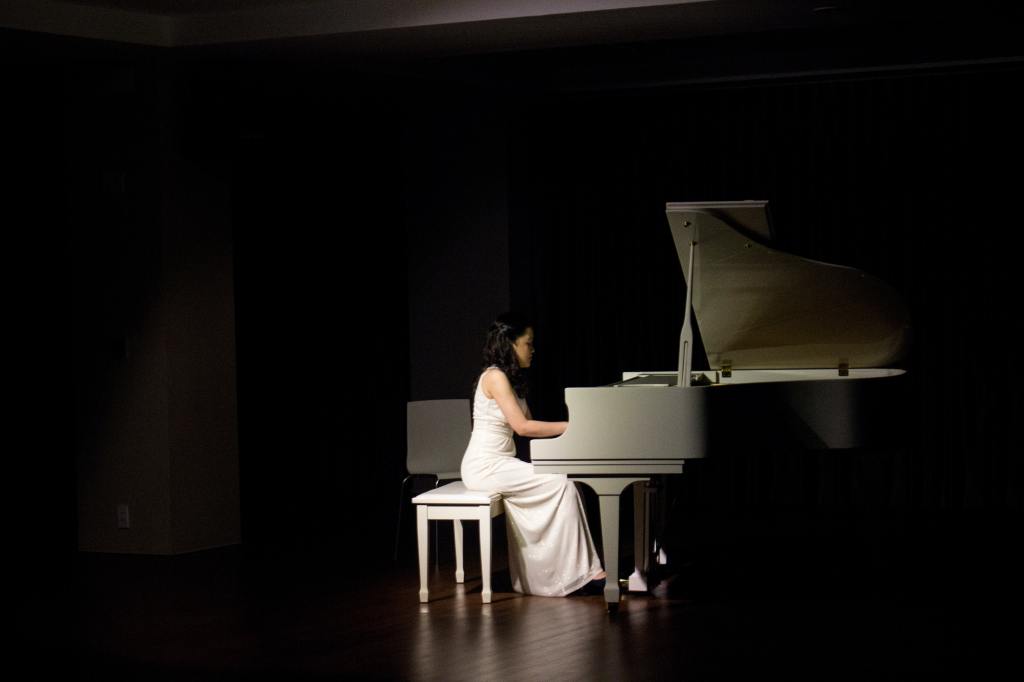
As a performer, dress to suit your act and the occasion. If your act does not require a specific costume; for instance, if you are a pianist, wear something that will not distract people from your key strokes and one that will look elegant (as opposed to tacky) as they watch you sway your fingers over the key board.
02.Make the Special Invitees Feel Special
The Chief Guest, the Guest of Honour, distinguished speakers or panelists, honourary invitees and the list goes on – if you have any of them in your audience, it is only in good taste to welcome them personally, usher them to their seats, make them feel comfortable and where appropriate acknowledge their presence out loud.
If you have any unexpected appearances, say a spouse of a special invitee who misread the invitation or a special guest who had said that their attendance is unlikely, treat them just as you would treat all special guests and give them due recognition.
03. Follow the Agenda
Draw up a line of events before the occasion and stick to it – erring a few minutes here and there is inevitable, but nothing more. In case there is to be a shuffling of events or if the event is running a few minutes late, keep the audience informed. Show them that you appreciate their presence and value their time.
04.Draw Up the Formalities and Nitty Gritties
When crafting the agenda, come up with who does what and what level of event decorum is to be followed. Depending on the scale and type of the event, decide to rev up the level of formality or tone it down slightly. Come hell or high water, there are some things that you cannot and should not deviate from. Here are a few such formalities:
-Greet the Chief Guest and Guest of Honour, usher them in procession and present them floral tokens
-Have them acknowledged and received as they are ushered in or as the proceedings start
-Light an oil lamp or follow a similar activity that symbolises the commencement of the event
-Sing the national anthem at the start or at the end
-Have a welcome address and a vote of thanks
-Have a compere to control the show from start to end
05.Treat Every Performance as an Event
From proper introductions and narrations to suitable costumes, to getting the props on stage on time and removing the props at the culmination to the final bow or curtsy, a performance needs to be complete.
Make sure all those who appear on stage, even if it is to act as a broom are recognised and named in the same manner. Ensure that all performers know to enter and exit the stage without tripping over or fumbling around and train them to curtsy, smile, bow, greet and bid farewell to the audience. Remind everyone that if it is not Paris Fashion Week – well, it is not Paris Fashion Week. Being suitably dressed for the role, age, audience and event is just one way of displaying one’s upbringing and respect for the event.
This article will be followed by tips and guidelines on formal speeches – stay tuned and write to us at fullofetiquette@gmail.com if you are in the midst of a formal event and have questions.
 Full of Etiquette
Leave a comment